Streaming now accounts for more television use in the United States than cable or broadcast, according to Nielsen’s 2023 “The Gauge” report. That single statistic explains a lot. The lines between traditional TV news and streaming platforms are blurring, and foreign films are no longer tucked away in niche festival segments. They are headline material.
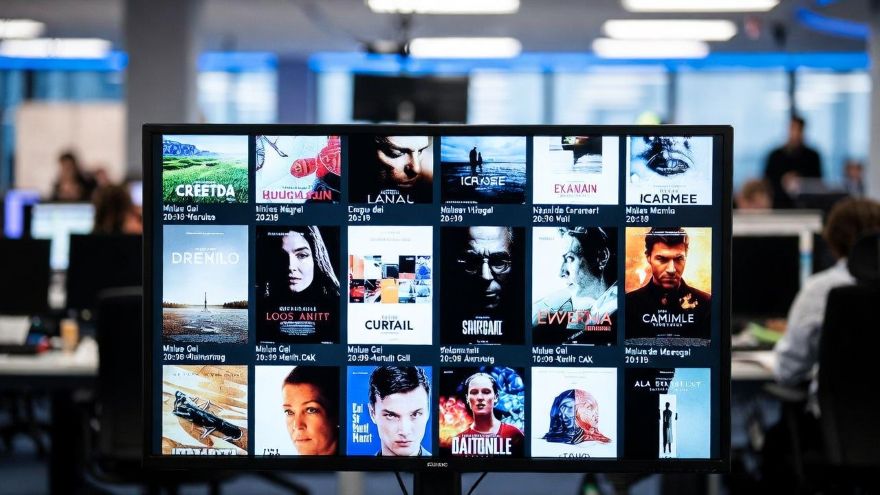
Scroll through any site dedicated to foreign movies and you’ll see something interesting. Release dates are treated like mini red-carpet events. Posters drop. Trailers trend. Fan chatter builds before TV anchors even finish their morning scripts. Sites like CimaNow curate lists of international titles in one tidy place, and suddenly a Korean thriller or a Spanish drama feels less “arthouse” and more “must-watch.” Newsrooms notice that shift. They have to.
When Streaming Became the Assignment Desk
Entertainment producers once relied on studio press tours and box office numbers from sources like Comscore to decide what deserved airtime. Now they monitor streaming charts and online engagement. This shift from live TV to video on demand has changed everything, as detailed in a recent industry overview on from live TV to video on demand.
When Parasite won Best Picture at the 2020 Academy Awards, presented by the Academy of Motion Picture Arts and Sciences, U.S. morning shows rushed to cover the historic moment. But the real aftershock happened online, where audiences quickly searched for ways to stream the film. Television coverage followed the digital demand.
It happened again with series like Squid Game on Netflix. Overnight, it became a global talking point. Broadcasters who once treated subtitled content as a sidebar suddenly led with it. Ratings follow attention, and attention lives online.
Producers admit this off the record. They track trending tabs, platform rankings, and even fan-made clips. If a film dominates conversation on streaming charts, it often earns a segment on the evening news. The digital release calendar now shapes rundown meetings.
International Cinema as Cultural News
There was a time when international cinema appeared on TV news mainly during film festivals like Cannes or Berlin. Now, a major platform release can carry cultural weight beyond awards season. According to UNESCO, cross-border distribution of films has grown steadily over the past decade, thanks in part to digital platforms. That growth changes the narrative.
TV news programs increasingly frame foreign movie releases as cultural moments. A Turkish drama might spark debate about politics. An Indian action film could fuel discussions about representation. These angles move beyond reviews. They become stories about global influence.
I once watched a breakfast show segment that opened with a clip from a Japanese thriller before pivoting to a discussion about cultural storytelling styles. Ten years ago, that would have felt unusual. Today it feels normal. Viewers expect to know what the rest of the world is watching.
The Algorithm Effect
Streaming platforms operate on algorithms. TV news operates on editorial judgment. The funny thing is, they now influence each other. When a platform pushes a film to the top of its homepage, audiences click. When audiences click, social media reacts. When social media reacts, news producers take note.
This loop has created a new kind of entertainment coverage. Instead of waiting for critics, reporters sometimes cite platform rankings as proof of relevance. A headline might read, “This Spanish thriller tops global charts,” and that ranking alone justifies airtime.
It is a subtle shift, but a powerful one. Algorithms decide visibility. Visibility drives coverage. Coverage drives even more visibility. Around and around it goes.
Niche Platforms, Big Impact
Websites that organize and highlight international titles play a quiet role in this ecosystem. They act as discovery hubs. When audiences browse collections of foreign films in one place, interest grows beyond a single platform’s walled garden.
For TV researchers, these curated spaces are useful. They reveal trends early. A spike in searches for foreign movies from a particular region can hint at an upcoming wave. News teams that pay attention get ahead of the curve. Those that don’t risk sounding outdated.
There’s also a democratizing effect. Smaller productions that might never secure a theatrical release can still gain momentum online. If enough viewers talk about a Romanian drama or a Thai horror film, it can break into mainstream coverage. That would have been nearly impossible in the pre-streaming era.
Changing the Tone of Coverage
TV news segments on international cinema used to feel academic. A critic would summarize the plot, mention subtitles, and move on. Today the tone is more excited, sometimes even playful. Anchors joke about binge-watching. Correspondents share personal reactions. The coverage feels closer to how people actually watch at home, snacks in hand.
This human tone reflects audience behavior. Viewers are not waiting for critics to grant permission. They discover, stream, and discuss in real time. News programs adapt or risk irrelevance.
At the same time, there’s responsibility. Cultural context matters. Misreading a film’s themes can lead to shallow reporting. Organizations like UNESCO emphasize the importance of preserving cultural nuance in global media exchange. Good newsrooms take that seriously. The best segments go beyond hype and explain why a story resonates across borders.
From Stream to Screen to Headline
Entertainment coverage is no longer confined to Hollywood premieres. Streaming platforms have expanded the map. A release in Seoul, Madrid, or Mumbai can shape the news cycle in New York or London within hours.
That shift changes what we consider newsworthy. Foreign movies are framed as cultural events, conversation starters, sometimes even political signals. TV news reflects that reality because audiences live in it. They stream globally. They talk globally. They expect coverage that keeps up.
The result is a media landscape where a curated page of foreign movies can influence what appears on a national broadcast. That may sound dramatic, but it’s simply how attention works now. And attention, more than ever, decides the headlines.


